

|
|


















-
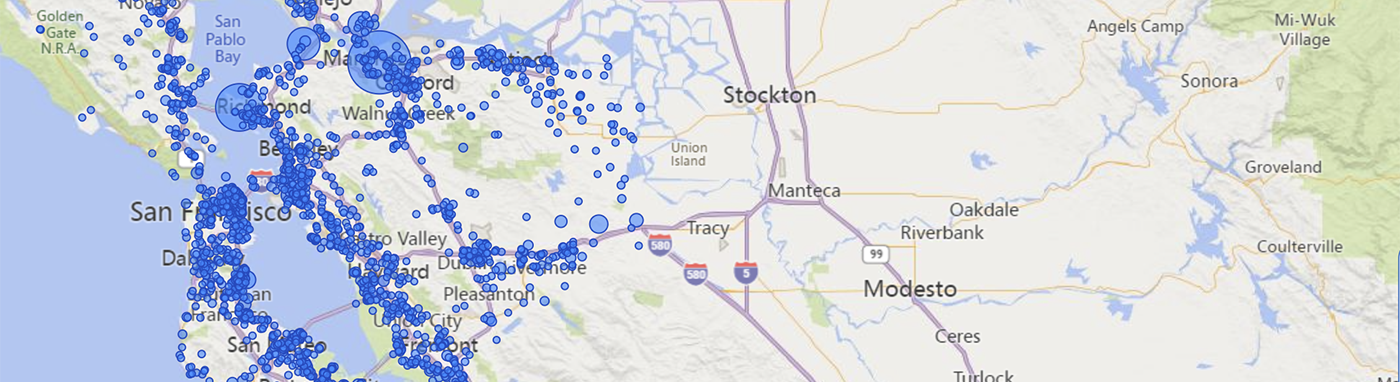
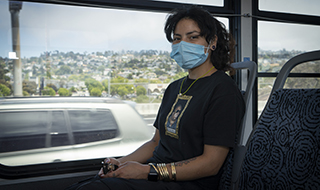
The Air District has released for public comment its latest draft 2026 Air Monitoring Network Plan, which describes the Air District’s regulatory air monitoring network for 2025 and lists proposed changes for the near future.
Learn More -
Spare the Air smog season begins todayMay 04, 2026
The Air District is announcing the start of the Spare the Air smog season, beginning Monday, May 4, and continuing through October.
Learn More -
Air District fines Valero $3.25 million for air quality violations and requires enhanced air monitoring data transparencyApril 28, 2026
The Air District has fined Valero Refining Company $3.25 million to address 118 air quality violations that stem from multiple incidents and ongoing compliance issues at the Benicia refinery.
Learn More -
Air District advances zero-emission trucking in East OaklandApril 21, 2026
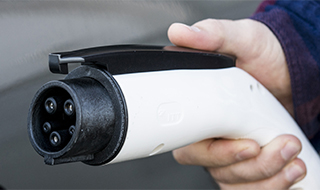
The Air District helped WattEV secure $4.1 million loan for a new electric truck charging project in Oakland. This is in addition to a $5 million grant from the Air District’s Community Air Protection or CAP program awarded in 2024.
Learn More -
-
April 02, 2026
-
March 30, 2026
-
March 29, 2026
-