





















Bay Area Images

Air District Fact

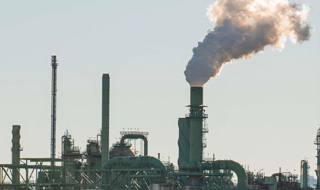
In recent years the Air District has begun monitoring and forecasting for PM2.5, as well as introducing a dioxin monitoring network measuring levels of that highly toxic pollutant.

Give Us Your Feedback


select


(500 character limit)
 

I would like a response.
(Allow 5-7 business days)


Utility Buttons

  • Email This Page
  • Print
  •  Save & Share Share

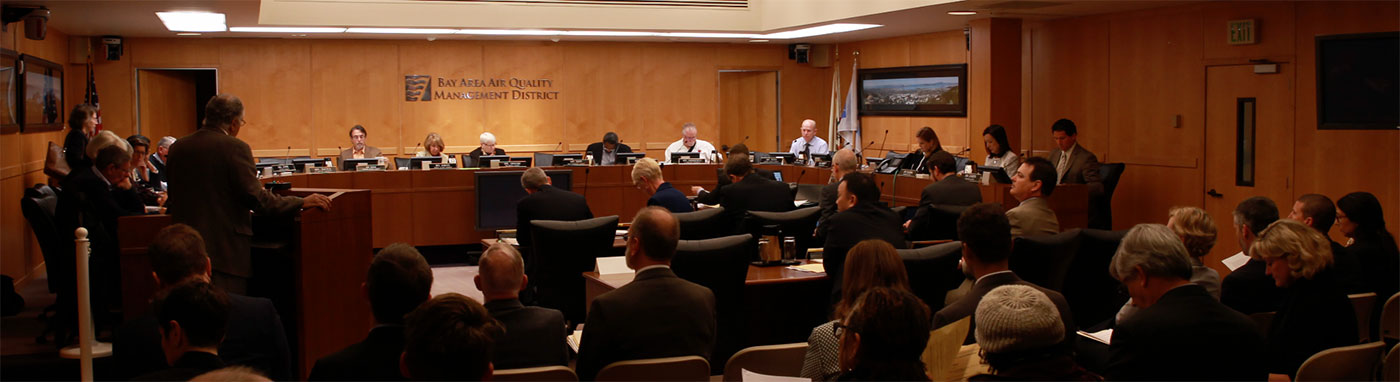
BAAQMD Webcasts

Recent Webcasts

5/16/2012
Board of Directors Special Meeting

More Information:
5/16/2012 Agenda
(442 kb PDF, 8 pgs)

5/2/2012 Board of Directors Meeting
More Information:
5/2/2012 Agenda
(1 Mb PDF, 52 pgs)

4/18/2012 Board of Directors Meeting
More Information:
4/18/2012 Agenda
(4 Mb PDF, 315 pgs)

Board Archives

Agendas, Minutes and Media

HelpWebcast Support
System & player requirements, RSS feeds & mobile alternatives.

BAAQMD on iTunes

iTunes Audio Podcasts
iTunes Video Podcasts

Title V Permit Programs

Title V is one of several programs authorized by the U. S. Congress in the 1990 Amendments to the federal Clean Air Act (CAA). The primary intent of the Title V Program is threefold:

  1. Enhance nationwide compliance with the Clean Air Act
  2. Provide the basis for better emission inventories
  3. Provide a standard means to implement the following other programs in the federal Clean Air Act:
    • Hazardous Air Pollutants (CAA 112);
    • Periodic Monitoring (CAA 114 and 504); and
    • Acid Rain (CAA Title IV)

The Title V Program requires local and state air quality agencies to issue comprehensive operating permits to facilities that emit significant amounts of air pollutants. For all implementing agencies in the country, there are standard requirements for permit programs and permit content.

Title V operating permits differ from other Air District issued operating permits in that they explicitly include the requirements of all regulations that apply to operations at Title V facilities.

The important features of Title V operating permits include the following:

  • Title V operating permits must include all federally enforceable requirements that apply to operations at the facility.
  • Proposed permits undergo public notice and U.S. Environmental Protection Agency (EPA) review - all comments must be addressed prior to permit issuance.
  • EPA has authority to terminate, modify or revoke and re-issue a permit if cause exists.
  • Permits are federally enforceable and may also be enforced via citizen lawsuits.
  • Permits must be renewed every five years with the full public notice and EPA review process.
  • Modification procedures are dictated by EPA regulations.

Fees, sufficient to administer the program, are required to be paid by the permittee.

For more information please read "The Title V Permit Program in Your Community".

Last Updated: 3/6/2012