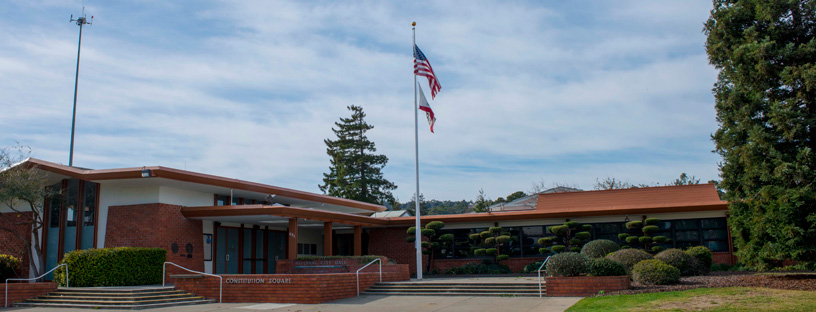
Bay Area Images

Marin County Harbor
Marin
Marin County

Air District Fact

The Bay Area Air Quality Management District receives approximately 3,000 air pollution complaints every year from members of the public. Nearly 1,700 of these complaints are related to odor. Members of the public are keenly aware of air pollution events in their communities and often act as first indicators of air quality problems to the District. Satisfactory resolution of complaints is one of the most important and difficult responsibilities of District staff.

Give Us Your Feedback


select


(500 character limit)
 

I would like a response.
(Allow 5-7 business days)


Utility Buttons

  • Email This Page
  • Print
  •  Save & Share Share

BAAQMD Webcasts

Upcoming Webcasts

Workshop on Proposed Amendments to Regulation 2: Permits to be Webcast live from 10:00am to 12:00pm on 2/22/2012.
More Information:
Workshop Notice
(521 k PDF, 5 pgs)
Rule Workshops

Recent Webcasts

The Particulate Matter Workshop is available as a Webcast archive.
Meeting Presentation:
Reducing Particulate Matter in the SF Bay Area
(4 MB PDF, 49 pgs)
More Information:
Particulate Matter Planning

12/14/2011 Board of Directors Special Meeting
More Information:
12/14/2011 Agenda
(545 k PDF, 23 pgs)
Board Archives:
Agendas, Minutes and Media

HelpWebcast Support
System & player requirements, RSS feeds & mobile alternatives.

BAAQMD on iTunes

iTunes Audio Podcasts
iTunes Video Podcasts

Contacts

Individuals

  • David Burch
  • Principal Environmental Planner, Planning and Research
  • 415 749-4641

Groups

AQ Summary and Forecast

(800) 794-7664

Communications and Outreach

(415) 749-4900


Full BAAQMD Directory

Bicycles and Air Quality

The Air District is a strong proponent of cycling as a means to reduce motor vehicle travel and vehicle emissions. We encourage you to ride - and please be sure to wear a helmet and ride safely!

Table of Contents

The Environmental Benefits of Bicycling

Bicycles are the ultimate clean air, zero emissions vehicle. Bikes are practical, economical, low-maintenance, and non-polluting. Cycling is a fast and practical way to get around town, especially in the Bay Area where the climate is favorable to cycling most of the year. Plus, riding a bike is fun and a great form of exercise.

Bikes are a very environmentally friendly means of transportation - no tailpipe emissions, no evaporative emissions, no emissions from gasoline pumping or oil refining, and zero carbon dioxide or other greenhouse gases that contribute to global warming. Bicycling also means less water pollution (many people don't realize that motor vehicles are a significant source of water pollution as well as air pollution). And, bikes are quiet, so they don't contribute to noise pollution.

Cycling to Reduce Motor Vehicle Trips and Emissions

Motor vehicle emissions are the major cause of air pollution in the Bay Area. Cycling can play an important role in improving air quality in the Bay Area. According to the 1990 National Personal Transportation Survey, 40% of all trips are two miles or less, and two-thirds are five miles or less. Bicycles are a convenient means of transportation for these short and medium distance trips. Although many people enjoy riding bikes for recreation, only a small fraction of Bay Area residents (less than 2%) commute by bicycle. There's tremendous potential to expand the use of bicycles as practical transportation for commuting, shopping, trips to school, and errands.

Cycling for Short Trips to Reduce Cold Start Emissions

Even short motor vehicle trips are a significant source of emissions due to the "cold start" problem. There's a high rate of emissions during the first few miles of driving because the catalytic converter does not function well when a car is first started. Cycling for short trips helps to reduce these "cold start" vehicle emissions. Riding a bike to the bus stop or transit station (BART, Caltrain, or the ferry) is one good way to reduce cold start emissions.

Air District Efforts to Promote Cycling

The Air District, in collaboration with the Metropolitan Transportation Commission (MTC) and the Association of Bay Area Governments (ABAG), has developed a Bay Area Clean Air Plan (the current version is known as the 2005 Ozone strategy) to help the region comply with state air quality standards. The Clean Air Plan contains a variety of transportation control measures (TCMs) to reduce motor vehicle travel by promoting the use of transit, carpooling and van pooling, and bicycling and walking. TCM 9 (Improve Bicycle Access and Facilities) and TCM5 (Improve Access to Rail & Ferries) are especially relevant. To view the TCMs, see Volume 2 of the 2005 Ozone Strategy. (667 k PDF, 157 pgs)

Funding for Bicycle Projects

The California Bicycle Coalition provides a comprehensive Guide to Bicycle Project & Program Funding in California.

The Air District provides funding to implement new bicycle infrastructure primarily through the Bicycle Facility Program (BFP). Launched in spring 2007, the BFP awards grants to public agencies to promote cycling as a means to reduce emissions from motor vehicles. The BFP funds physical bicycle improvements such as developing new bicycle paths, lanes and routes, and installing bicycle parking infrastructure. The BFP focuses on projects that have a high potential to improve bike access to transit stations, employment centers, shopping districts, and schools and colleges.

Bicycle-related projects are also eligible for funding through the Air District's Transportation Fund for Clean Air (TFCA) County Program Manager Fund, a grant program administered in coordination with the county congestion management agency in each of the nine Bay Area counties.

The Air District has a history of supporting bicycle projects. From 1996 through 2006, the District has awarded over $33 million in funding for bicycle projects throughout the Bay Area. This funding has helped provide commuters with hundreds of miles of bikeways; thousands of bicycle lockers at activity centers and bicycle racks on city streets; bicycle racks on transit buses; and attended bicycle parking facilities at various BART and Caltrain stations.

Bike to Work Day

California celebrates Bike to Work Day (BTWD) every year in May. You can register to win prizes, purchase T-shirts and gear, get a list of Energizer Stations in your community, or get more information and resources about bike commuting. If you've never commuted by bike, BTWD is a great time to try it. Talk to your employer or school about sponsoring a BTWD event. Make every day bike to work day!

Bicycle Resources

 
Bicycle Safety

The Travel Insurance Review has a page of bicycle safety tips and resources.

The League of American Bicyclists offers an Effective Cycling program to teach safe and effective on-road cycling.

Training for on-road cycling skills is also available at Bicycle Solutions.

Safe Routes to Schools Program promotes walking and biking to school through education and incentives and addresses parents' safety concerns. The National Highway Traffic Safety Administration also has advice on getting to school safely.

Bicycle Safe offers a list of the most common bicycle/car collisions and how to avoid them.

Safe Moves offers bicycle safety education for children at 408-374-8991.

Government Resources

Via its 511.org site, the Metropolitan Transportation Commission (MTC) provides comprehensive information about bicycling in the Bay Area, including the MTC Regional Bicycle Plan.

511 Contra Costa's Bike Mapper allows users to quickly find the safest and quickest paths throughout the Bay Area. It's an easy-to-use interface and open platform, covering traditional streets as well as regional and neighborhood paved trails. 

Metropolitan Transportation Commission's Pedestrian and Bicyclist Safety Toolbox

Caltrans design standards for bicycle lanes and paths.

Caltrans guidelines re: Pedestiran and Bicycle Facilities, including the text of Deputy Directive 64 (DD-64) which requires Caltrans to consider the needs of bicyclists and pedestrians in its projects and operations.

The Federal Highway Administration has produced several reports on bicycling and walking, including Improving Conditions for Bicycling and Walking: A Best Practices Report. You can view a complete list of FHA publications on bicycling.

Pedestrian and Bicycling Information Center

Bicycle Advocacy Groups

The Bay Area Bicycle Coalition provides information on bicycle issues and links to local bicycle advocacy groups and cycling clubs throughout the Bay Area.

League of American Bicyclists

The California Association of Bicycle Organizations provides information regarding bicycle access to transit, bicycle touring, bicycle maps, and more.

California Bicycle Coalition

Last Updated: 3/10/2011