|
|
Local Government Newsletter
|
|
|
|
March 2026
|
|
|
|
|
Local Community Benefits Fund: Applications Now Open
|
|
More than $90 million in funding is now available to advance community-driven projects that reduce air pollution, improve public health, and strengthen economic resilience for a just transition in Benicia, Richmond, and nearby communities.
Eligible applicants include local governments, as well as nonprofit organizations, schools, tribes, and labor unions serving the eligible communities.
Application Deadlines:
- Friday, May 1, 2026, at 5:00 PM PT for Benicia Catalyst Grant applications.
- Friday, May 29, 2026, at 5:00 PM PT for all grant applications across eligible communities (excluding the Benicia Catalyst Grant).
Visit the Community Investments Office webpage to apply now, learn more, and share with your colleagues, constituents, and networks.
|
|
|
|
|
|
|
|
|
|
|
The Clean HEET Program is Now Open
|
|
The Bay Area Air District is excited to share that its woodsmoke reduction program, Clean Heating Efficiently with Electric Technology (Clean HEET Program), is now open for applications! This regionwide program provides up to $10,500 for Bay Area homeowners to replace wood or pellet-burning fireplaces, stoves, or inserts with clean, energy-efficient electric heat pumps.
Woodsmoke is one of the largest sources of particulate pollution during the winter in the Bay Area, and reducing it supports cleaner air, healthier neighborhoods, and improved community resilience. The Clean HEET Program offers a practical and cost-effective pathway for residents to transition to modern, efficient heating technologies that benefit residents and the surrounding community.
Application Deadline:
- Applications are being accepted from January 13, 2026, to July 14, 2026.
Please share the Clean HEET program website with your colleagues, constituents, and networks.
|
|
|
|
|
|
|
|
|
|
|
Commercial Lawn and Garden Equipment Exchange Pilot Program Launch
|

|
|
|
Local governments now have a powerful new opportunity to cut pollution, reduce operational noise, and modernize their landscaping fleets.
The Bay Area Air District has recently launched its Commercial Lawn & Garden Equipment Exchange Pilot Program, offering generous point-of-sale vouchers to help replace gasoline and diesel-powered landscaping equipment with cleaner, zero-emission electric alternatives to reduce air pollution.
This pilot program supports a wide range of commercial-grade equipment – including chainsaws, trimmers, edgers, brush cutters, leaf blowers, vacuums, walk-behind mowers, and ride-on or stand/sit mowers – with vouchers ranging from $700 to $15,000 per piece of equipment.
This program can help local governments to:
- Reduce air pollution in communities
- Lower noise impacts from municipal operations
- Modernize equipment
- Demonstrate climate leadership
Program Eligibility
Eligible participants include:
- Local governments and public agencies
- Schools and school districts
- Commercial landscapers
Applicants must operate within a designated Community Emissions Reduction Plan (CERP) area: Bayview Hunters Point/Southeast San Francisco, East Oakland, West Oakland, and Richmond/North Richmond/San Pablo.
How It Works
Participants purchase new electric equipment from Air District-authorized vendors and turn in older gasoline or diesel-powered equipment for destruction and recycling at the time of sale.
- A 15% cost share is required.
- Participants may receive up to $100,000 total in voucher funding.
As a pilot program, initial results will help inform potential expansion of the program across the broader Bay Area later this year.
Application Deadline
- Funding is first-come, first-served until fully allocated.
Learn More
Visit the Lawn and Garden webpage for program details, eligibility requirements, and a list of authorized vendors, and share with your colleagues, constituents, and networks.
|
|
|
|
|
|
|
|
|
|
|
Last Call for Clean Air Centers Program Funding
|
|
|
|
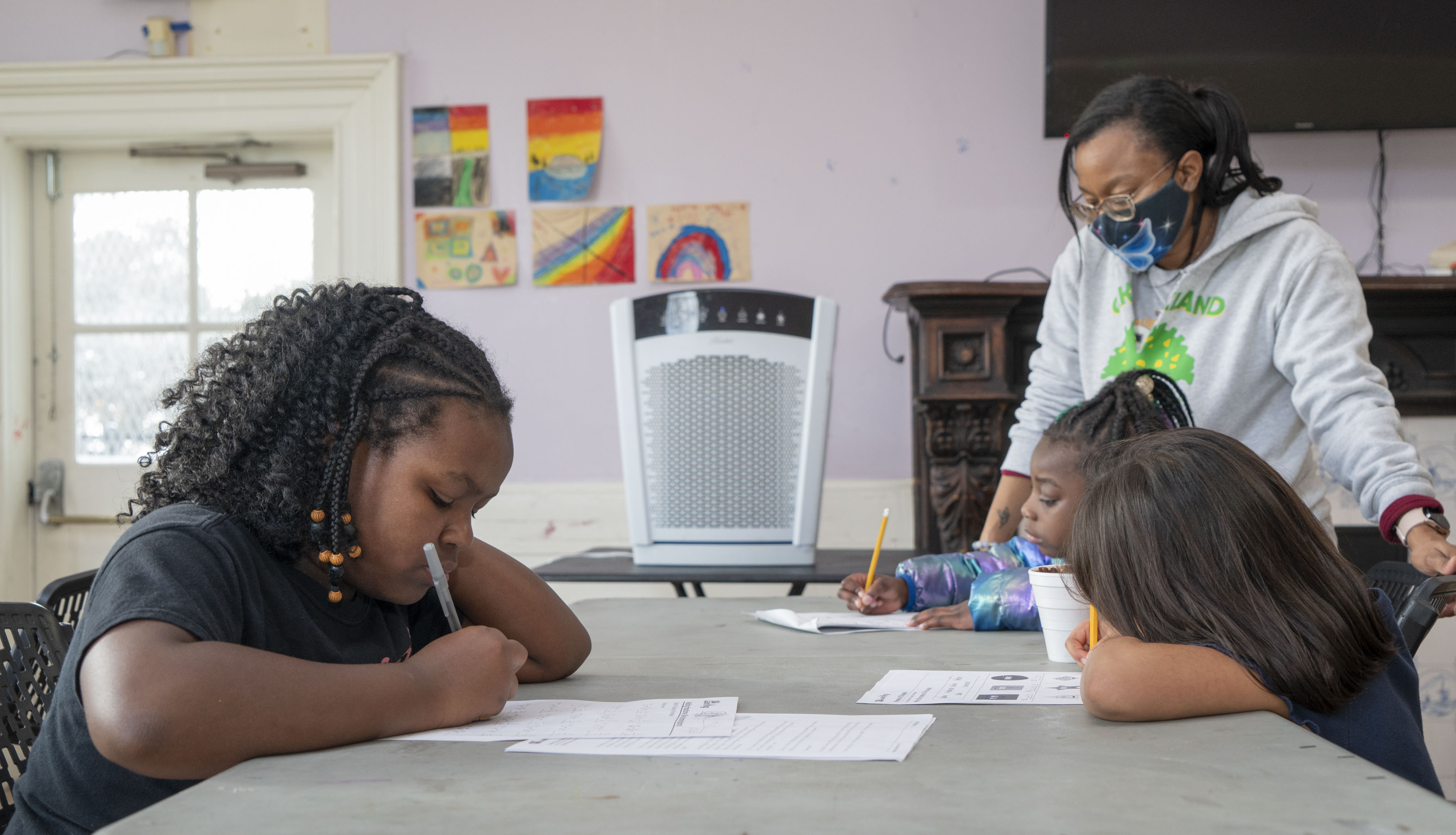
Protect your community during wildfire smoke events, and secure remaining Clean Air Centers Program funding while it is still available.
The Clean Air Centers Program provides funding to help local governments and other public agencies create publicly accessible clean-air spaces equipped with high-efficiency air filtration. These centers play a critical role in protecting residents, especially vulnerable populations, during periods of unhealthy air quality, such as those occurring during wildfire events. The program is designed to reduce exposure to harmful pollutants while strengthening community resilience across the Bay Area.
The Air District has approximately $355,000 in remaining funding, originally provided by the California Air Resources Board (CARB) through AB 836 to support wildfire smoke preparedness and clean-air spaces in communities. Local governments and public agencies serving Bay Area communities are eligible to apply.
Funds can be used to purchase:
- Portable air filtration units
- Up to five years of replacement filters
Application Deadline:
- Funding is allocated on a first-come, first-served basis upon receipt of a complete application. All projects must be completed by September 30, 2026.
Visit the Clean Air Centers webpage or email cleanaircenters@baaqmd.gov to learn more and apply, and share with your colleagues, constituents, and networks.
Complementing local efforts like the Clean Air Centers Program, the U.S. Environmental Protection Agency (US EPA) is offering $13.5 million nationwide to help communities prepare for wildfire smoke and reduce indoor exposure to harmful pollutants. Priority is given to public or community-serving buildings in areas with demonstrated wildfire smoke risk.
Deadline to apply: April 15, 2026.
The US EPA hosted an applicant webinar on February 25, 2026 (1–2 p.m. ET). Slides can be found by visiting this link.
Visit the US EPA’s Wildfire Smoke Preparedness in Community Buildings webpage to learn more and apply.
|
|
|
|
|
|
|
|
|
|
|
Air District Releases First-Ever Regional Climate Action Plan
|

|
|
|
COMING SOON: The Air District will soon be releasing the first-ever Bay Area Regional Climate Action Plan (BARCAP) with actionable and impactful strategies to accelerate the transition to a cleaner economy and the state’s goal of a carbon-neutral future.
The plan was developed with robust input from frontline communities, community-based organizations, local governments, a wide variety of technical experts, and the public. Successful implementation of the BARCAP will help local governments reduce climate pollution, improve regional and local air quality, create jobs and spur economic growth, and enhance health and quality of life in the Bay Area. It will also ensure these important benefits reach frontline communities who often experience greater impacts from fossil fuel dependence, such as changes in climate and air pollution exposure.
The BARCAP also includes an updated regional greenhouse gas (GHG) inventory, showing the major sources of GHG emissions in the Bay Area.
The BARCAP includes 16 measures with 57 actions spanning the following sectors: power, buildings, transportation, waste, and natural and working lands. Example measures include:
- Supporting regional electric vehicle charging infrastructure
- Facilitating the transition to low emission space and water heating
- Supporting local clean energy and storage projects
- Reducing emissions from waste management facilities
- Enhancing carbon sequestration in natural and working lands
The BARCAP was developed with robust outreach and engagement, including community meetings, public workshops, and extensive consultation with local governments and stakeholders. Collaboration will extend into implementation as there are over 30 different entities, including regional and local governments, community choice aggregators, community-based organizations and other key stakeholders, joining the Air District to implement the plan.
The BARCAP sets the stage for the Bay Area to rise to the challenge of addressing climate change together, achieving a carbon neutral future that provides cleaner air, thriving communities, healthy natural ecosystems, and a sustainable, inclusive, and prosperous economy for everyone.
The BARCAP and regional GHG inventory are expected to be posted to the Air District's website the first week in April.
|
|
|
|
|
|
|
|
|
|
|
Air District Zero-NOx Building Appliance Rule 9-6 Updates
|
|
|
|
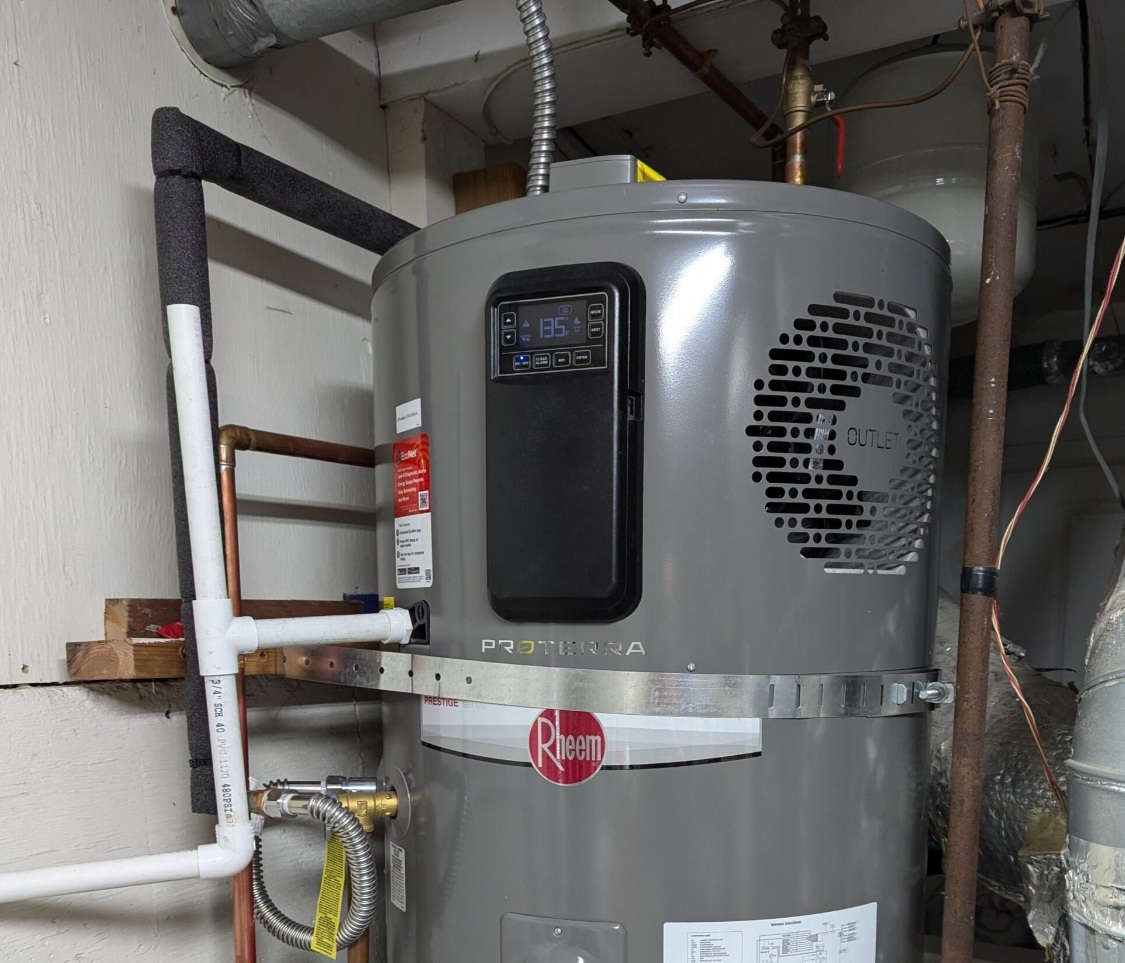
The Bay Area Air District is moving forward with its landmark effort to transition homes and buildings to cleaner, zero-emission space and water heating. In 2023, the Air District Board of Directors adopted amendments to Rules 9-4 and 9-6 (building appliance rules), establishing a zero nitrogen oxides (NOx) emissions limit for small space and water heating appliances. These standards will take effect on the following dates:
- January 1, 2027: Water heaters under 75,000 BTU/hr (Rule 9-6)
- January 1, 2029: All applicable natural gas-fired furnaces under 175,000 btu/hr (Rule 9-4)
- January 1, 2031: Water heaters between 75,000 to 2 million BTU/hr (Rule 9-6)
To support Rule 9-6 implementation, the Air District convened the Building Appliance Rules Implementation Working Group (IWG) Phase 1 throughout 2023-2024. This group explored and discussed challenges, identified solutions, and helped to inform public stakeholders and the Board of Directors.
Based on the IWG’s work, Air District staff released a Draft Concepts Paper in October 2025 outlining potential amendments to Rule 9-6 that focus on affordability and availability. The Air District received and reviewed 375 public comment letters, and staff presented the concepts to the Board’s Stationary Source Committee for consideration. More than 60 members of the public spoke at the committee meeting; most expressed support for proposed concepts to increase flexibility in implementing the rule. The next step for Rule 9-6 is to update regulatory language for public and Board consideration, anticipated in fall 2026.
To help residents and contractors understand what the rules do – and do not – require, the Air District published a Myths vs. Facts resource to dispel misinformation. In addition, the Air District is engaging with regional contractors and installers regarding Rule 9-6 and heat pump water heaters, and in February 2026, the Board approved a significant contract to launch an extensive and diverse public awareness campaign. The Air District looks forward to collaborating with local governments to maximize the impact and reach of these efforts.
Visit the Air District’s building appliance rules page to learn more about Rules 9-6 and 9-4.
|
|
|
|
|
|
|
|
|
|
|
Protecting Blue Whales and Blue Skies: Advancing Air Quality and Marine Protection Through Collaboration – Program Overview
|
|
|
|
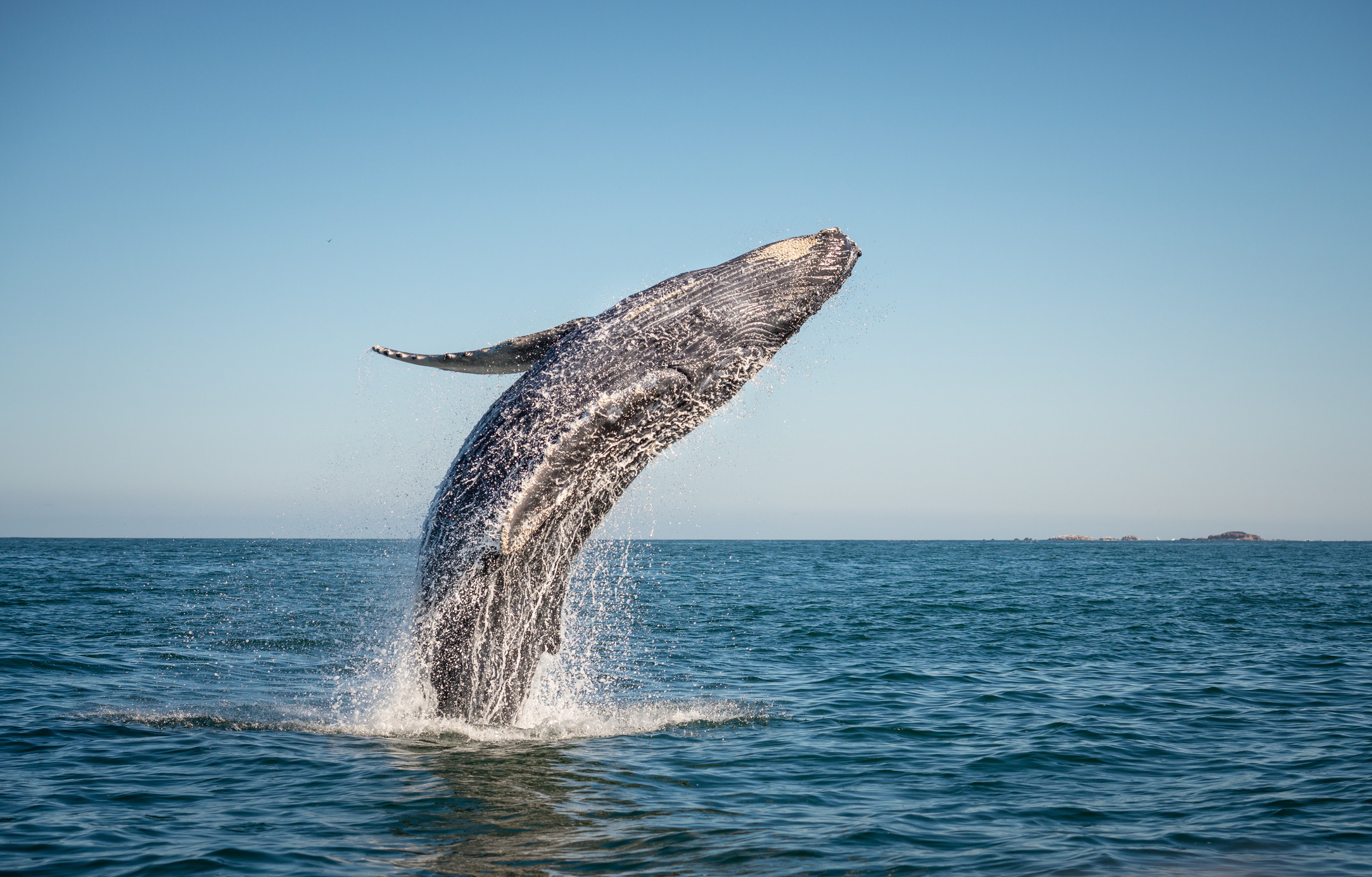
The Protecting Blue Whales and Blue Skies (BWBS) Program is a collaborative, voluntary vessel speed reduction initiative that delivers measurable air quality and climate benefits, while protecting endangered whales along California’s coast. This program helps to improve air quality in coastal communities without requiring regulations. The program brings together California air districts (including the Bay Area Air District), federal agencies, nonprofit organizations, academic researchers, and the maritime shipping industry, making it a strong model of cross-jurisdictional environmental leadership.
BWBS encourages large ocean-going vessels to slow to 10 knots or less when traveling within designated coastal zones during peak ozone season and whale migration periods (typically from May through December).
Slower vessel speeds:
- Significantly reduce emissions of nitrogen oxides (NOx), diesel particulate matter, and greenhouse gases
- Improve regional air quality and public health outcomes
- Lower the risk of fatal ship strikes
- Reduce underwater noise that can disrupt whale behavior
Since its launch in 2014, BWBS has partnered with more than 50 global shipping lines and regional ports, demonstrating that voluntary, collaborative approaches can deliver measurable air quality and climate benefits. Participating shipping companies receive public recognition for performance, creating positive incentives that encourage industry leadership. In 2025, Assembly Bill 14 (Hart) expanded BWBS statewide, and the Port of Oakland joined as a program ambassador, helping to encourage more operators to participate.
Companies that import or export via ocean freight, or work with participating shipping lines, are invited to join as BWBS Ambassadors to help amplify responsible shipping practices, support community health and environmental goals, and recognize industry leadership.
Visit the program website to learn more about the program, and how to promote the BWBS Ambassadors program with companies that import or export via ocean freight or work with participating shipping lines.
|
|
|
|
|
|
|
|
|
|