Bay Area Images

Farmers Market
Santa Rosa
Sonoma County

Air Quality Fact

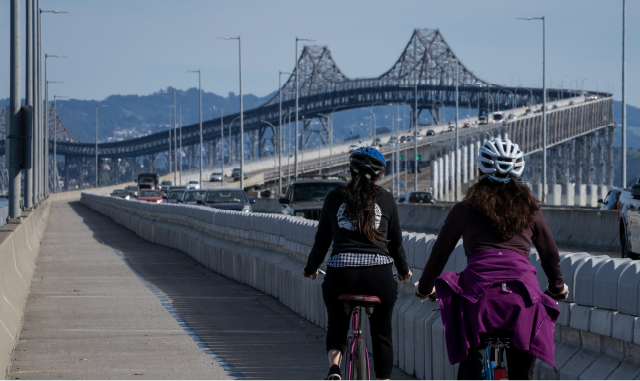
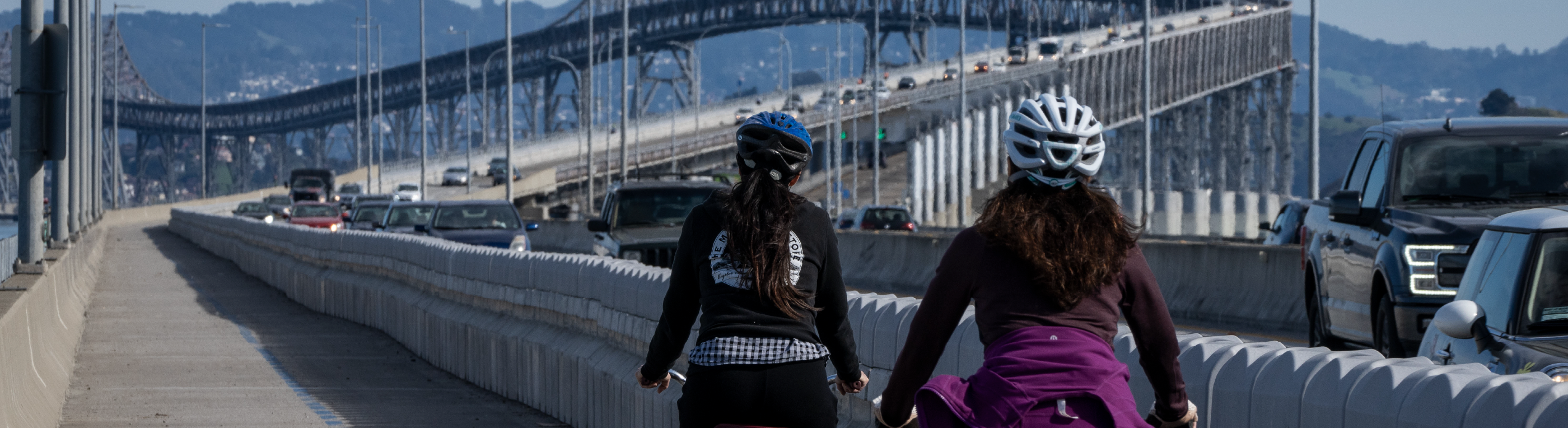
Today, the Bay Area’s largest source of smog forming emissions – over 60% – comes from mobile sources like cars, trucks, buses and construction equipment.   The number of mobile sources will rise considerably along with expected population growth.

Give Us Your Feedback


select


(500 character limit)
 

I would like a response.
(Allow 5-7 business days)


Utility Buttons

  • Email This Page
  • Print
  •  Save & Share Share

BAAQMD Webcasts

Upcoming Webcasts

Particulate Matter Workshop to be Webcast live from 1:30pm to 4:00pm on 2/6/2012.
More Information:
Particulate Matter Planning

Workshop on Proposed Amendments to Regulation 2: Permits to be Webcast live from 10:00am to 12:00pm on 2/22/2012.
More Information:
Rule Workshops

Recent Webcasts

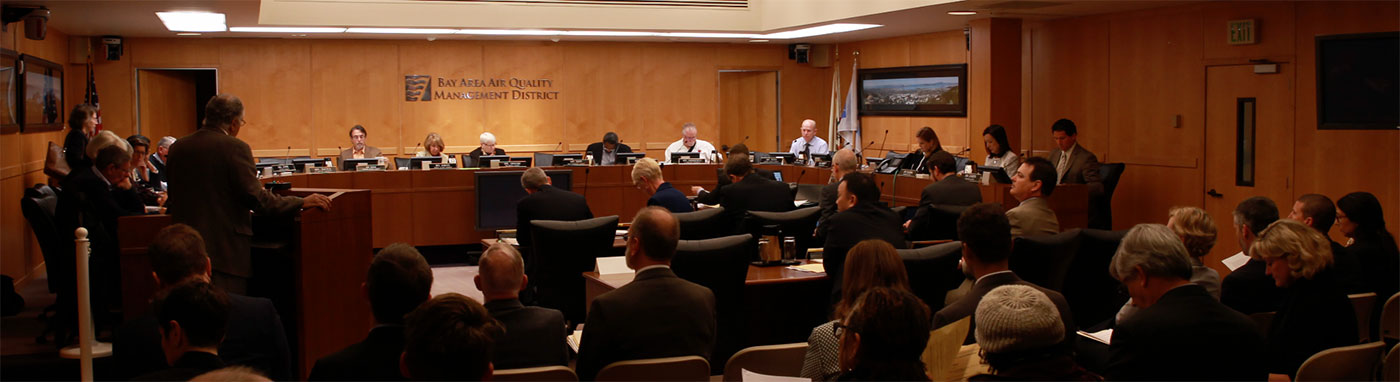
12/14/2011 Board of Directors Special Meeting
More Information:
12/14/2011 Agenda
(545 k PDF, 23 pgs)
Archives: Board Agendas, Minutes and Media

HelpWebcast Support
System & player requirements, RSS feeds & mobile alternatives.

BAAQMD on iTunes

iTunes Audio Podcasts
iTunes Video Podcasts

Contacts

Groups

1 800 HELP AIR

(800) 435-7247

Communications and Outreach

(415) 749-4900


Full BAAQMD Directory

Smoking Vehicle

How To Report Smoking Vehicles

If you spot a vehicle emitting excess smoke, call 1-800-EXHAUST, use our online exhaust report, or send an email to exhaust@baaqmd.gov and give the license plate number and the date, time and place the vehicle was spotted. The Air District sends letters to vehicle owners notifying them of the air quality consequences of smoking vehicles, warns them of the possibility of being cited and encourages them to have their vehicle checked and repaired.

Report a Smoking Vehicle

Report a Smoking Vehicle

The Bay Area Air Quality Management District's voluntary program for reporting smoking vehicles began in December 1992. Each year an average of 35,000 calls are received complaining about vehicles emitting excessive visible exhaust.

The program is geared towards educating the public that smoking vehicles contribute 20 to 30 percent of the soot and particles in the air and that particulate matter is injurious to health. A major component of the educational program is that smoking vehicles can be prevented by keeping vehicles in good repair. Smoking vehicles generate 10 to 15 times more pollution than well-tuned vehicles.

A high percentage of those receiving notification, from the Air District that their vehicle was reported, return a form confirming that their vehicle was smoking and that steps were taken to have the problem repaired.

The 1-800-EXHAUST & Report A Smoking Vehicle Program is available in the following San Francisco Bay Area counties: Alameda, Contra Costa, Marin, Napa, San Francisco, San Mateo, Santa Clara, Sonoma and the southwestern portion of Solano county.

  • They're Unhealthy - A vehicle spewing visible exhaust is not only unpleasant; it also makes the air unhealthy to breathe. Smoke is made up of tiny particles that can lodge in the lungs. Recent studies have shown these small particles are a major contributor to respiratory diseases.
  • They're Against The Law - A car, truck or bus emitting visible exhaust for more than 10 seconds may be cited by a local law enforcement or California Highway patrol officer with a fine of $100 for cars and $250 for trucks or buses. The Bay Area Air Quality Management District's smoking vehicle program helps to encourage owners of smoking vehicles to get the vehicle repaired before they get a ticket.
  • Report Smoking Vehicles - If you spot a vehicle emitting excess smoke, call 1-800-EXHAUST, www.800exhaust.org, or email to exhaust@baaqmd.gov and give the license number and the date, time and place the vehicle was spotted. The Air District sends letters to vehicle owners notifying them of the air quality consequences of smoking vehicles, warns them of the possibility of being cited and encourages them to have their vehicle checked and repaired.
Diesel Engines Don't Have To Smoke

Although diesel vehicles emit some smoke on acceleration, they should not smoke constantly. All vehicles, including diesels, are subject to the same smoking vehicle law as gasoline engines.

Prevention Is The Key

A well-maintained vehicle should not emit visible exhaust. Preventing a vehicle from smoking often involves simple maintenance procedures.

Common Causes Of Vehicle Smoke

Engine Type: Gasoline
Visible Sign: Black or Gray Smoke
Diagnosis: Smoke Incomplete fuel combustion
Possible Causes:

  • Engine too cold (no repair needed)
  • Clogged air filter
  • Carburetor, choke, fuel injection or emission system malfunction
  • Ignition timing off
  • Blocked manifold

Engine Type: Gasoline
Visable Sign: Blue Smoke
Diagnosis: Engine oil being burned
Possible Causes:

  • Oil leaking into combustion chamber
  • Worn piston rings, valves or cylinders

Engine Type: Gasoline
Visable Sign: White Smoke
Diagnosis: Coolant and/or water being vaporized in combustion chamber
Possible Causes:

  • Engine too cold (no repair needed)
  • Head gasket leaking
  • Cracked block or cylinder head

Engine Type: Diesel
Visable Sign: Black or Gray Smoke
Diagnosis: Incomplete fuel combustion
Possible Causes

  • Faulty injection system
  • Clogged air filter
  • Wrong grade of fuel
  • Incorrect timing
  • Engine overheating

Engine Type: Diesel
Visable Sign: Blue Smoke
Diagnosis: Engine oil being burned or atomized
Possible Causes:

  • Engine oil level too high
  • Worn piston rings, valves or cylinders

Engine Type: Diesel
Visable Sign: White Smoke
Diagnosis: Fuel is not burning
Possible Causes:

  • Engine too cold (no repair needed)
  • Faulty injection system
  • Incorrect timing
  • Engine overheating

Last Updated: 3/10/2011