Clean Cars for All
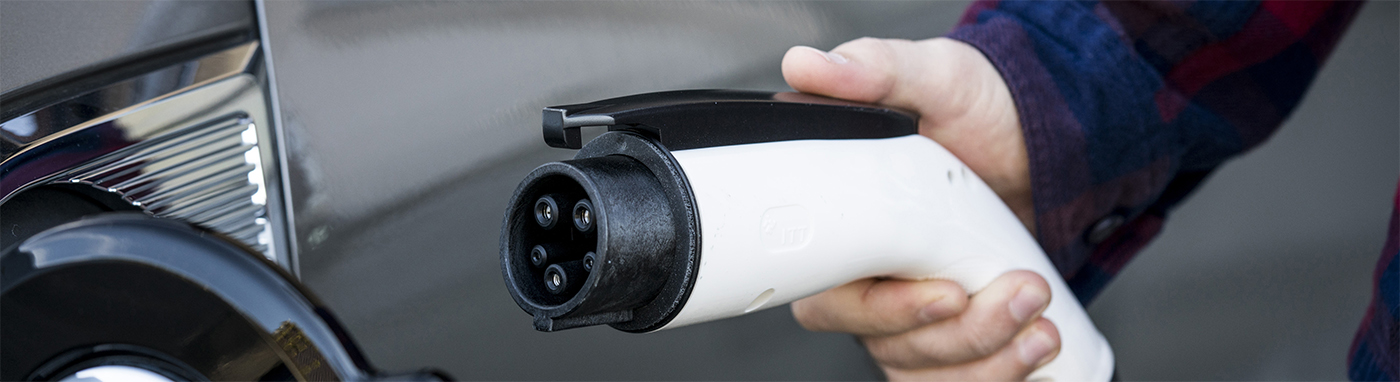
Clean Cars for All provides funds for residents to upgrade to cleaner vehicles
LEARN MORE
|
|
Due to heavy winter rainfall, the Air District has extended the permissive burn periods for Crop Replacement and Orchard Pruning & Attrition fires until June 30, 2024.
The Air District has announced the appointment of prominent environmental justice leader Arsenio Mataka as deputy executive officer for Equity & Community Programs at the agency's Community, Health and Environmental Justice Committee meeting.
The Air District is announcing that its independent Hearing Board has ordered Martin Marietta to get a permit for the company’s sand distribution plant located at Pier 92 in Bayview Hunters Point, San Francisco. The Hearing Board has also imposed restrictions on the plant’s operations to reduce emissions and protect public health.
The Air District has fined the City of Berkeley $130,000 for air quality violations that occurred at its landfill site at Cesar Chavez Park in Berkeley from 2019 - 2022.