-
About the Air District
- Board of Directors
- Advisory Council
- Job Opportunities
- Mission Statement
- History of Air District
- Departments
- Diversity Equity and Inclusion
- Air District Leadership
- Hearing Board
- Community Advisory Council
- Bay Area Clean Air Foundation
- Request for Proposals (RFP RFQ)
- In Your Community
- Speakers and Tours
- News & Events
- Online Services
- Publications
- Forms
- Public Records
- Contact Us
- Login


|
|
|

In Your Community
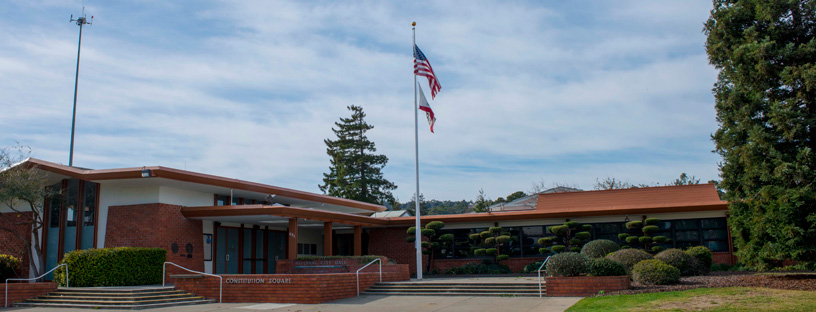
Learn about the Air District activities in your community, view interactive maps of permitted facilities and current air quality and explore local outreach and Health Risk evaluation programs.
In your County
Learn about Air Quality and Air District community engagement activities in your county:
- Alameda
- Contra Costa
- Marin
- Napa
- San Francisco
- San Mateo
- Santa Clara
- Solano (southwest portion only)
- Sonoma (southern portion only)
Community Air Risk Evaluation (CARE) Program
Despite large reductions in air pollution, some communities in the Bay Area still experience higher pollution levels and health effects, when compared to others. The Community Air Risk Evaluation (CARE) program represents a critical step toward reducing health disparities in Bay Area communities linked to air quality. The Goals of the CARE Program are to:
- Identify areas within the Bay Area where air pollution is most contributing to health impacts and where populations are most vulnerable to air pollution impacts;
- Apply sound science to design and focus effective mitigation measures in areas with highest impacts; and
- Engage the communities and other stakeholders (local industry, government agencies, etc.) in the program to craft mitigations that extend beyond what the Air District could do alone.
Other Community Engagement Activities
The Air District actively promotes local engagement activities such as those described below:
Learn about local youth engagement programs, schedule a speaker for your school, or download our free climate change curriculum.
Contact Us
Kristen Law
Manager, Community Engagement and Policy
415.749.4653 klaw@baaqmd.gov
Last Updated: 5/6/2020